
Love in Action: How Kindness Supports Mental Health
February Message of the Month
The month of LOVE has arrived! Cue the roses, cards, flowers, and grand gestures - if you’re into that kind of thing. This month is so often dedicated to couples, but love is so much more than just romance. Love also shows up quietly, sometimes in everyday moments of kindness, compassion, and empathy. These small acts of love in action play a powerful role in supporting mental wellness - for ourselves, for others, and for our community.
It’s scientifically proven! For the giver, kindness releases feel-good chemicals in the brain, like dopamine and oxytocin, which reduces stress, boosts mood, enhances self-esteem, fosters empathy, and creates connection. It can also create a ripple effect and lead to others paying it forward just by witnessing an act of kindness.
What this does for the receiver is reduce feelings of isolation, stress, and loneliness - all of which can negatively impact mental well-being. When individuals feel seen, supported, and cared for, their sense of belonging grows and they feel not so alone.
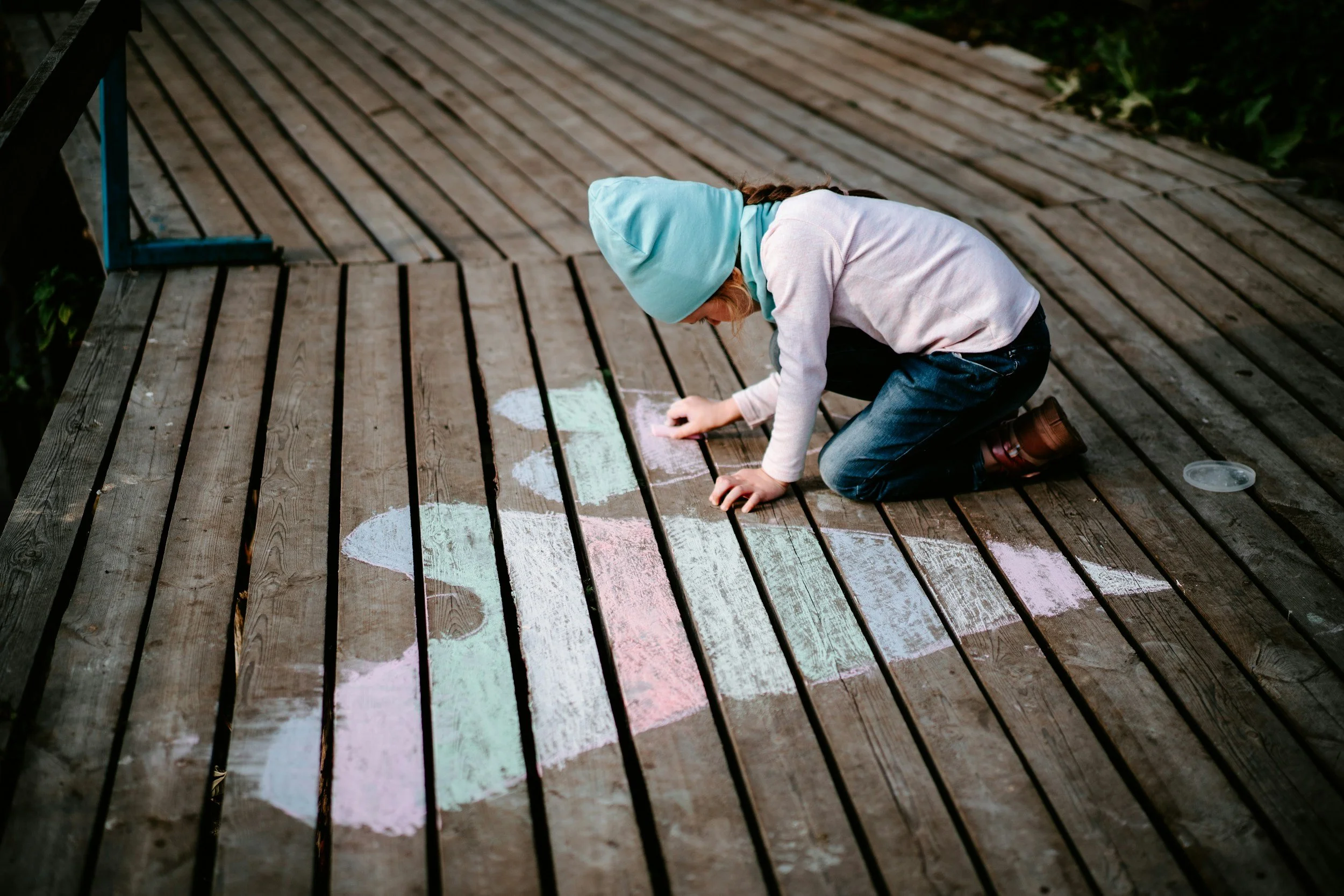
Kindness doesn’t have to be grand to matter to someone.
Even small, brief moments can help - like a simple check-in, a smile at a stranger, an empathetic listening ear for a friend - can make a huge impact on someone’s life.
Many people are quick to show kindness to others but find it much more difficult to show that same level of care to themselves. Negative self-talk, unrealistic expectations, and constant pressure to do more and be more can lead down a road of burnout, low self-esteem, and sometimes anxiety and depression. Practicing kindness towards yourself is not selfish - it’s essential for a mentally healthy life.
Allow yourself to rest without guilt. Talk to yourself with the same kindness you do others. Set boundaries to assure you surround yourself with positive people and situations. Acknowledge your hard work and successes and remind yourself to be who you are without pressure to be like anyone else. Be confidently you!
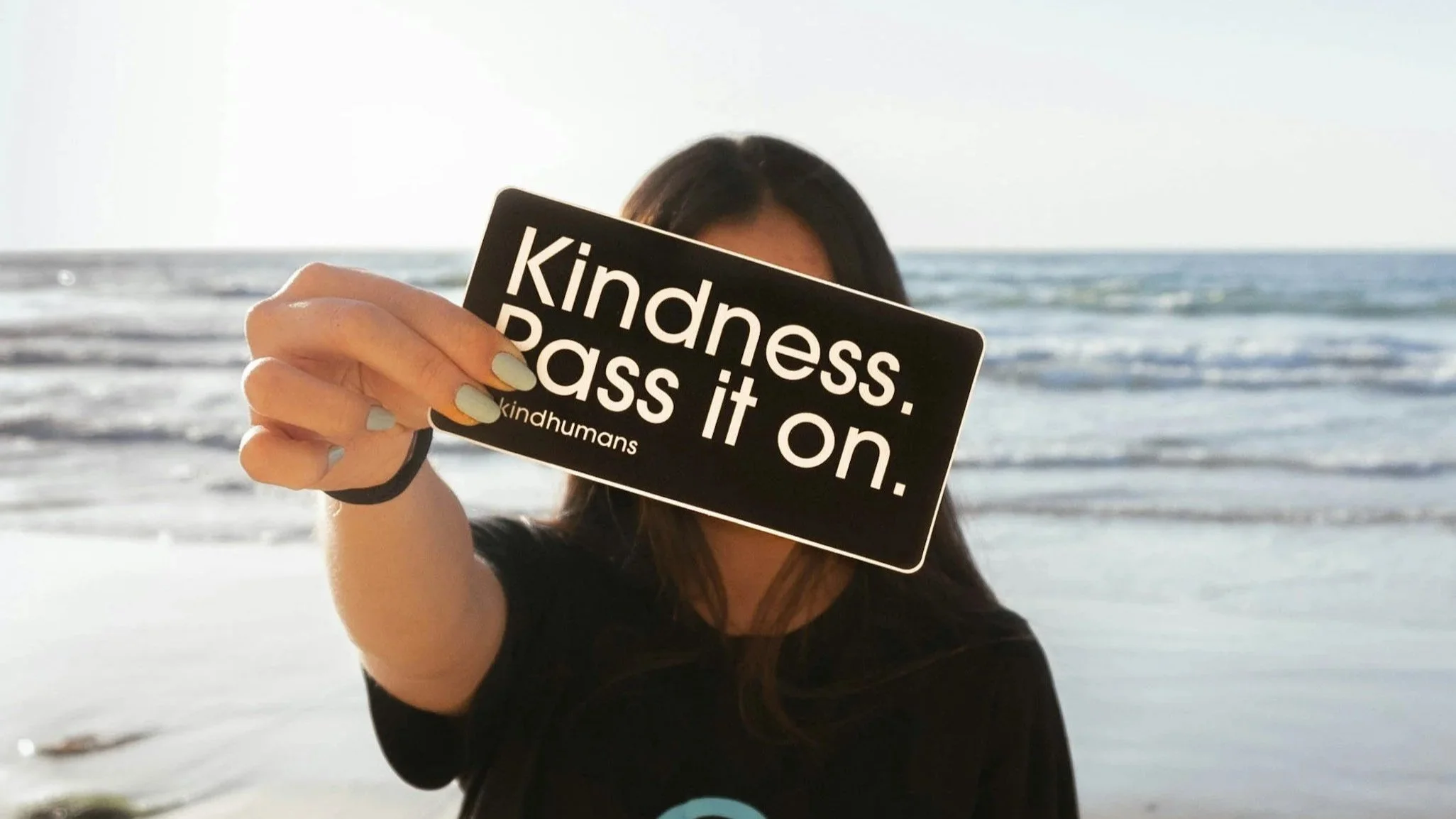
But kindness can become even more powerful when it’s practiced in collaboration with others in the community - whether that be through individuals, organizations, peer support, or volunteers. This creates a safety net that supports community mental health.
When communities prioritize kindness and connection, they help reduce stigma and make it easier for people to reach out for support. Love in action reminds us that mental health care happens wherever people show up for one another.
This February, and beyond, consider how kindness can become part of your mental health toolkit. Love, practiced daily and imperfectly, has the power to support healing, strengthen connection, and remind us that we’re not alone.
