
Menopause, Mental Health & the Parts No One Warned Me About
My personal reflection on brain fog, memory loss, and finally asking for help
By Dana Wright
No one told me how menopause could affect your mind and not just your body! Not my mother, aunts, older cousins, etc. Menopause didn't just change my body -- it changed my relationship with my mind.
I always heard about and saw women who had hot flashes, night sweats, and changing menstrual cycles. But what caught me off guard—and honestly scared me—was what started happening in my head.
The brain fog.
The memory lapses. The lack of energy.
The moments where I’d walk into a room and forget why I was there… again.
The words that sat just out of reach during conversations. How I'd totally forget a routine while teaching a class.The quiet anxiety that followed, whispering, “Is this normal? Or is something wrong with me?”
When Your Mind Doesn’t Feel Like Your Own
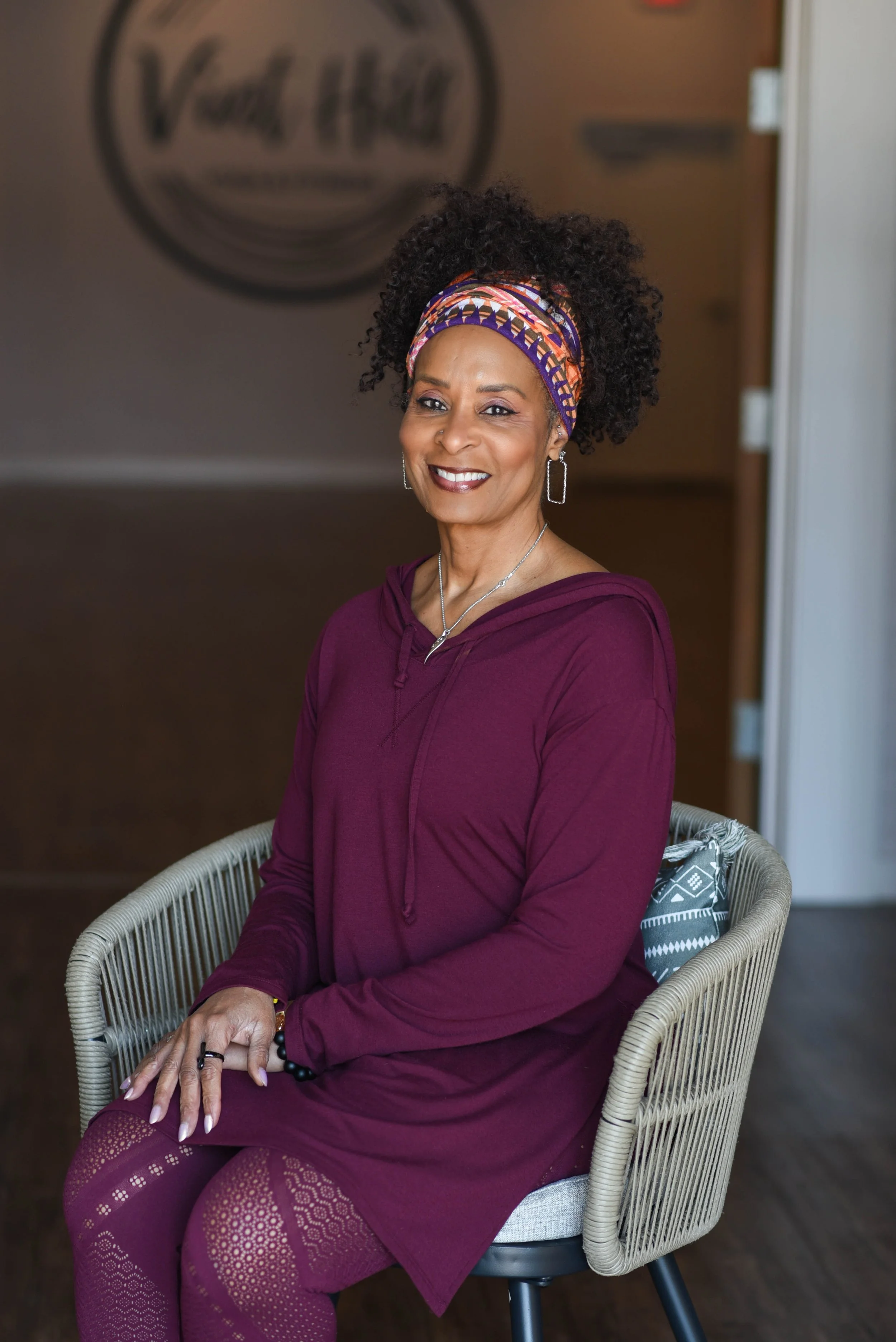
For me, menopause didn’t arrive with a dramatic announcement. It crept in slowly. I don't have hot flashes nor night sweats.
If I do, it's triggered by caffeine or alcohol, so I know my triggers.
At first, I brushed things off as stress, being busy, or just having “a lot on my plate.” But over time, it became harder to ignore.
I found myself rereading emails multiple times. Forgetting appointments I had just made. Losing confidence in my ability to multitask—something I had always prided myself on.
And the emotional toll? That was heavy.
There’s a kind of grief that comes with not recognizing your own sharpness anymore. A frustration that’s hard to explain to people who haven’t experienced it. And a deep sense of vulnerability when your mind—your anchor—starts to feel unreliable.
The Silent Impact on Mental Health
What I didn’t find out until I met with my doctor is how deeply hormonal changes can affect mental health. Estrogen doesn’t just support reproductive health—it plays a role in memory, focus, mood regulation, and emotional stability.
When estrogen levels fluctuate or decline, it can feel like your nervous system is constantly off balance. Brain fog isn’t “just forgetfulness.” It can fuel anxiety, self-doubt, irritability, and even depressive feelings.
And yet, so many women suffer quietly. Like me. But...
We keep showing up.
We keep functioning.
We keep apologizing for forgetting things—while internally wondering what’s happening to us. My kids have no patience no matter how many times I have to remind them that "I'm menopausal".
Advocating for Myself Was the Turning Point
After months of questioning myself, I made the decision to seek medical support. That wasn’t easy.
I "interviewed" 4 doctors! Trying to find a doctor who truly listens—not just put me on medication. I had to speak up, ask questions, and make sure that they listened to ME and not put me in a general group.
Today, I’m wearing an estrogen patch and taking progesterone under medical guidance. I want to be clear: this is not a one-size-fits-all solution, and everyone’s journey is different. But for me, taking that step felt empowering.
Not because it “fixed everything overnight”—it didn’t—but because I stopped suffering in silence.
What I’m Learning Along the Way
This journey has taught me a few important truths:
Menopause is not a weakness. It’s a powerful biological transition that deserves care and respect.
Mental health symptoms are real symptoms. Brain fog, memory loss, and emotional shifts are not imaginary or exaggerated.
You are allowed to ask for help. From doctors, from loved ones, from your community.
You don’t have to normalize suffering to be strong.
Some days are clearer than others. Some days I still forget things. But now, I understand why—and that knowledge alone has lifted so much fear.
Why I’m Sharing This

I’m sharing my experience because if you’re reading this and quietly wondering if you’re “losing it,” you’re not alone—and you’re not broken.
Menopause can feel isolating, especially when the symptoms don’t match the conversations we’ve been taught to expect. But the more we talk openly about menopause and mental health, the more we give ourselves—and other women—permission to seek support without shame.
This chapter isn’t about decline.
It’s about awareness.
Advocacy.
And learning how to care for ourselves in new, deeper ways.
If you’re on this journey too, I see you. And you deserve support—mind, body, and soul.
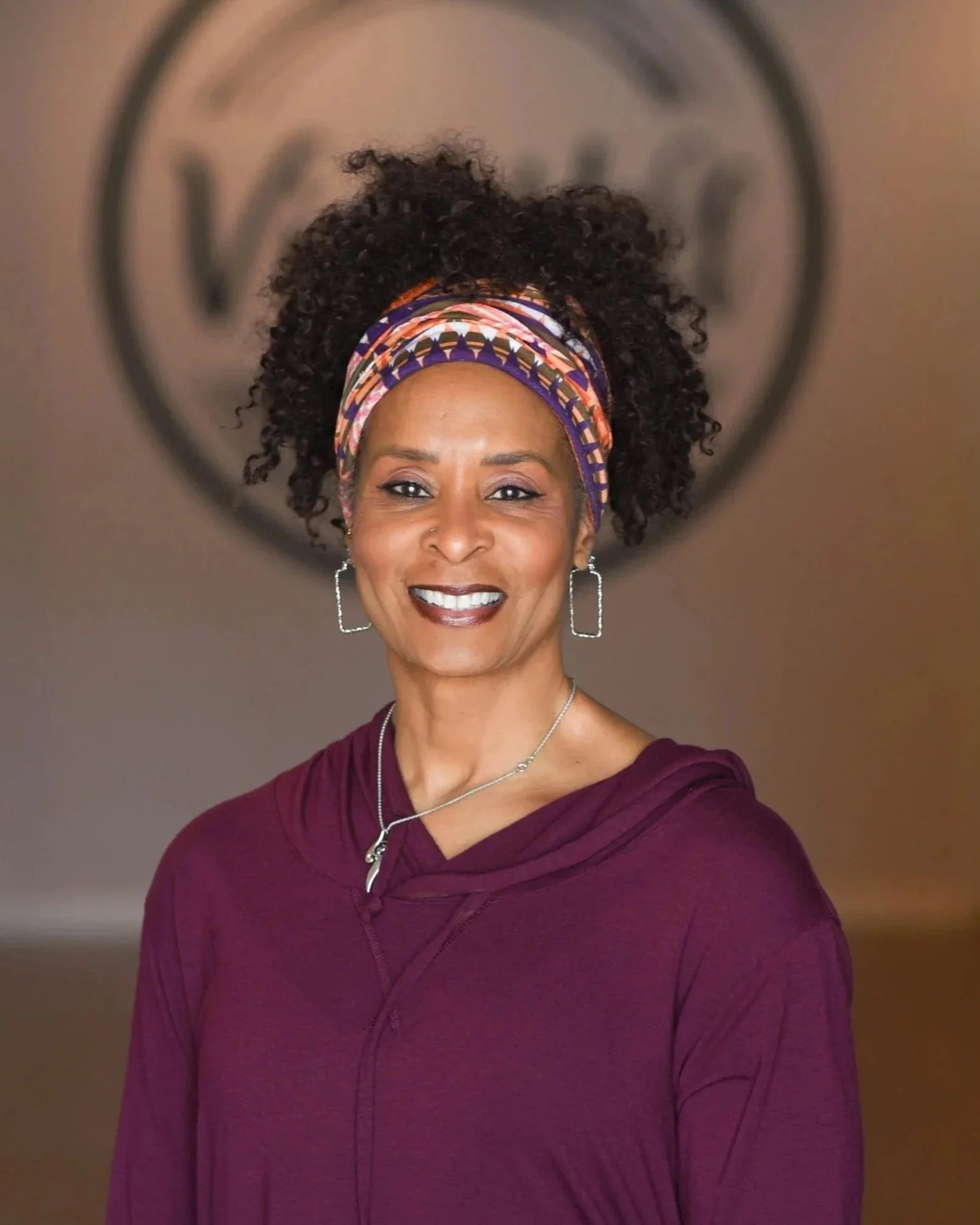
Dana Wright is the owner of
Vint Hill Yoga & Fitness
7154 Farm Station Road, Warrenton
